
Reviewed · MUSEUMS
Cape Town: Private Guided Tour of Cape Town Diamond Museum
The most unusual part of this Cape Town experience is the close look at diamonds as both natural stones and finished jewelry. At the V&A Waterfront, you enter through the Gavin Collins Gallery and spend about 45 minutes with a private guide explaining South Africa’s 3-billion-year diamond story, the cutting process, and the 4Cs.
I like the personal format, since your guide can answer questions instead of delivering a fixed speech. I also like the mix of museum displays and working jewelry spaces, with more than 3,000 pieces to see. The main consideration is that this is also a jewelry store, so the final design and shopping option may feel less appealing if you only want a museum visit.
Key points to know before you go
- Private guide: You receive a one-on-one or private-group tour in English or Afrikaans, rather than joining a large museum crowd.
- Short but focused visit: The guided portion lasts 45 minutes, with the wider museum and workshop stop taking about an hour.
- South African diamond story: You learn about early discoveries, mining, cutting, polishing, the Oppenheimer family, and the Kimberley connection.
- A working jewelry setting: More than 3,000 items are displayed, and weekday morning visits may offer a better chance of seeing cutting and goldsmith work.
- Included drinks: Soft drinks and South African wine are served at the start and remain available during the tour.
- Optional custom jewelry: You can speak with a personal designer and create a diamond piece with a GIA certificate, but buying is not required.
Starting at the V&A Waterfront
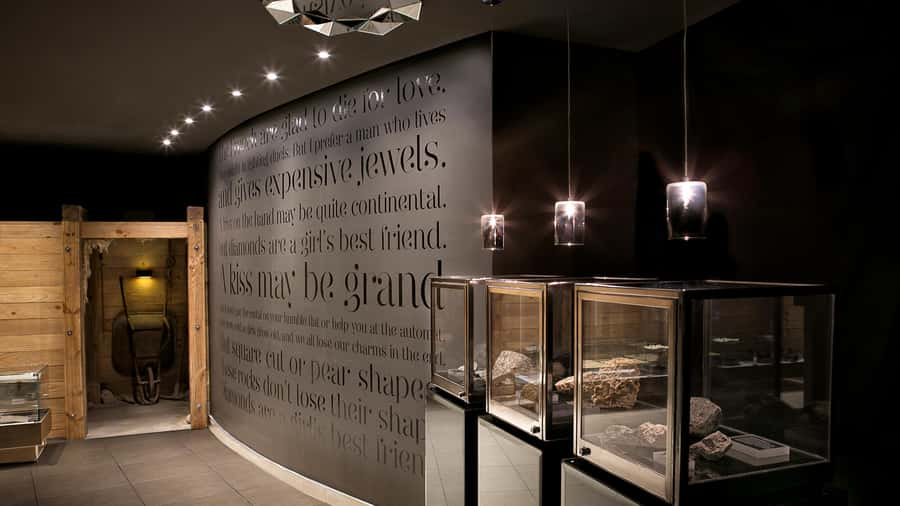
The Cape Town Diamond Museum sits at the V&A Waterfront, a convenient setting if you are already spending time around the harbor shops, restaurants, and attractions. Your meeting point is the Gavin Collins Gallery reception. Tell the staff you are there for the museum tour, since the entrance is part of a local jewelry store rather than a large stand-alone museum building.
That detail matters. If you arrive expecting a grand museum entrance, you could walk past it. Meet your guide at reception, and keep your passport or ID card with you. Cash is also listed as something to bring, although food and parking are not included.
The private format is useful from the first minute. You can ask basic questions about how diamonds are graded, or move into more technical points about cutting and polishing without worrying about holding up a group. The guides speak English or Afrikaans, and the setting is wheelchair accessible.
You should leave large bags and luggage behind. Weapons and sharp objects are not allowed. Since the stop is in the Waterfront, it works well as one part of a day in the area rather than as a reason to arrange a separate cross-town outing.
Other museums and galleries in Cape Town:
- Museum of Contemporary African Art: Fast-Track Zeitz MOCAA
★ 4.4 · 204 reviews - ROBBEN ISLAND MUSEUM TOUR, WITH OPTIONAL LAST MINUTE TICKETS
★ 3.4 · 85 reviews - Cape Town: Heart of Cape Town Medical Museum Entrance Ticket
★ 4.7 · 31 reviews
A welcome drink before the diamond lesson
The visit begins with a welcome drink. You can choose a soft drink or South African wine, and drinks remain available through the tour. One review specifically praised the tea served midway, so the refreshment may vary, but the point is the same: this is not a rushed walk past glass cases.
I like this small touch because diamond history can become a dry subject when it is presented as dates, mines, and grading terms. A drink gives you time to settle in and look closely. It also suits the polished, showroom feel of the experience.
Alcohol is optional, of course. If you are driving, prefer not to drink, or are visiting with children, choose a soft drink. The activity does not include food, so plan a meal separately at the Waterfront.
South Africa’s diamond story in 45 minutes
Your guide introduces South Africa’s diamond past, including the discovery of diamonds in the country and the forces that shaped its mining industry. The material includes the Kimberley connection and the Oppenheimer family, details that help place the jewelry in a wider national story.
You also hear about the geological age of diamonds. The tour presents them as stones formed over roughly 3 billion years, a useful reminder that a finished ring begins with a process far older than any mine, company, or jewelry brand.
The historical section is not a full academic treatment of mining. It is a compact introduction designed for a general visitor. If you want a long museum visit about labor, politics, or the environmental cost of mining, this attraction may feel limited. The focus is on the stones, the industry, and the path from rough diamond to polished jewelry.
That said, the private guide makes the short format work. Guides such as Aloma, Sandy, Shani, Constantina, Nadya, and Aloma have been singled out for clear explanations, warmth, and enthusiasm. The strongest praise goes to the people leading the tour, not simply to the display cases. That is important because the guide shapes how much you take away from a 45-minute visit.
Seeing the 4Cs and the work behind the sparkle
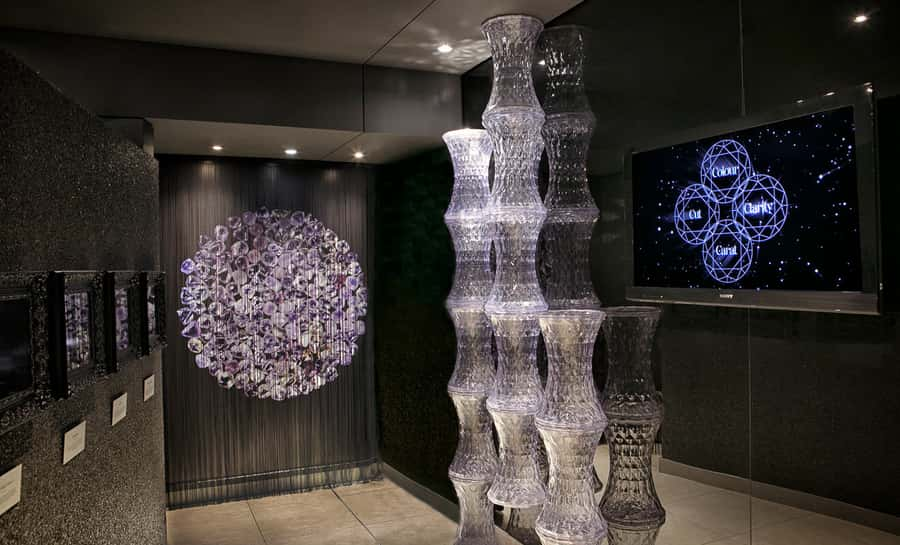
A central lesson is the familiar diamond grading system: cut, carat, color, and clarity. You learn what each term means and how the four factors affect a stone’s look and value. One guide also made the memorable point that confidence can become a fifth C, a light moment that helps the technical information stick.
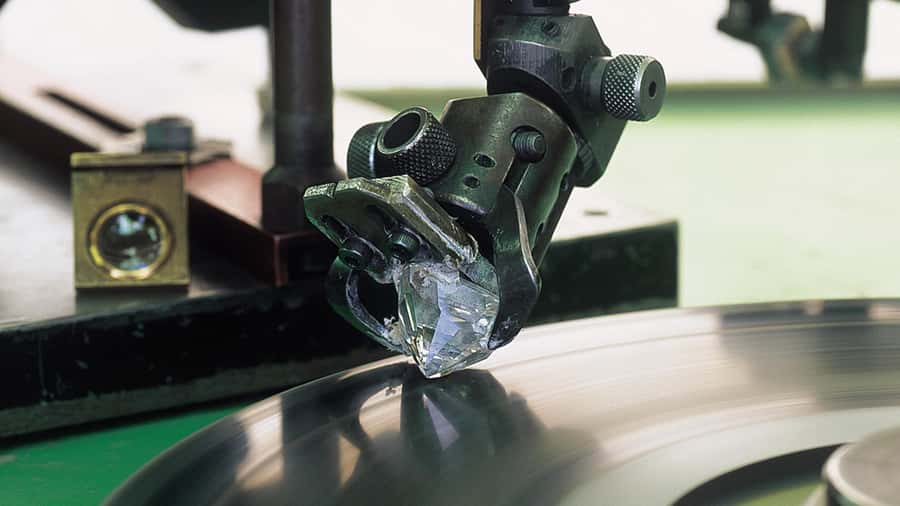
The museum also explains how Shimansky selects and sources its diamonds, including its stated approach to ethical sourcing. You then follow the basic process of turning a rough stone into a finished one. Cutting determines how a diamond handles light, polishing brings out its surface finish, and the final shape affects how the piece looks in jewelry.
This is where the visit becomes more useful than simply trying on rings. You begin to understand why two diamonds of similar size can have very different prices. You also get the vocabulary needed to ask better questions in any jewelry shop later in your trip.
The displays include more than 3,000 pieces in the diamond cutting factory and jewelry workshop. The wording suggests a large collection of diamonds and jewelry rather than a room filled only with historic objects, so set your expectations accordingly. The appeal lies in seeing the full chain, from stone formation and mining to craftsmanship and sale.
A few more things to do in Cape Town worth a look
- Private Wine Tour with Wine Expert to Stellenbosch-Franschhoek Wine Regions
★ 5.0 · 693 reviews - Private Tour: Cape of Good Hope and Cape Point from Cape Town
★ 5.0 · 639 reviews - Private Full Day Stellenbosch Wine Tour with Pick Up and Drop Off
★ 5.0 · 425 reviews - Cape Town Airport Private Transfer
★ 5.0 · 410 reviews
The workshop and factory view
The workshop is one of the more distinctive parts of the stop. You can see how diamonds are cut and polished, and you may see jewelry production in progress depending on the time of your visit.
The most useful timing tip is to book during weekday hours between 9 a.m. and 1 p.m. if you want the best chance of seeing actual diamond carving and jewelry work. A visit outside those hours may still include the museum and displays, but the working areas can be quieter. One person specifically hoped to return on a weekday to see the goldsmiths at work, which is a fair warning for anyone interested in the craft side.
Do not expect a long factory tour. This is a compact, guided museum visit, not a full day inside a production plant. Still, watching the transition from rough material to a carefully finished piece gives the displays a practical purpose.
Designing your own diamond piece
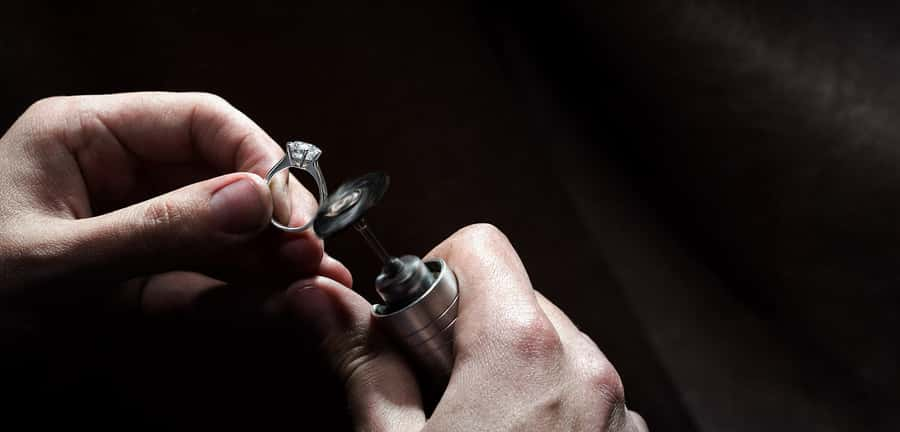
At the end, you have the option to meet an on-site personal designer and create your own diamond jewelry. A GIA certificate is included with the proposed diamond purchase, according to the activity details. The opportunity is part of the experience, but buying is optional.
This is a good feature for someone planning an engagement ring, anniversary gift, or personal piece while in Cape Town. You can connect the grading lesson to a real design decision and ask questions about cut, carat, color, and clarity while looking at actual stones.
If you are not shopping, be clear with yourself before you enter. The museum operates within a jewelry store, and the tour naturally leads toward the showroom. The available feedback points to a relaxed sales atmosphere rather than aggressive pressure, but it remains a retail visit as well as a museum stop. You should feel comfortable enjoying the education, trying on rings, taking photos where permitted, and declining to purchase.
For some people, this retail element is the best part. For others, it will make the visit feel less like a traditional museum. That difference comes down to what you want from the hour.
How long the visit really takes
The guided museum portion lasts 45 minutes, while the full stop is described as about an hour. The broader booking validity is listed as one day, but that does not mean you spend a full day inside the museum. Think of it as a short, well-defined Waterfront activity.
The schedule suits a morning before lunch, a break between harbor attractions, or a rainy-day plan. It also leaves plenty of time for Table Mountain, Robben Island, the Cape Peninsula, or other Cape Town activities. You do not need to give up half a day to learn the basics of diamond grading and South African diamond history.
A private group can make the hour feel more flexible. You can ask to slow down at a particular display or return to a point you did not understand. Families should note that the tour is conducted in English or Afrikaans, and one review found it unsuitable for children who did not speak English. The subject may also be more interesting for older children and adults than for very young ones.
Is the $24 price good value?
At about $24 per person, this is reasonably priced for a private guided activity in a major tourist area, especially with drinks included. The value depends on how much you want the personal explanation. A quick look around a store would cost less because it would cost nothing, but it would not give you the same structured account of diamond formation, South African mining, the 4Cs, cutting, and polishing.
The price is easier to justify if you ask questions, take interest in the workshop, or are considering a jewelry purchase. The guide helps you understand what you are seeing instead of leaving you to decode labels and sales displays.
It is less compelling if you want a large historic museum with hours of independent viewing. You should also remember that food, parking, and any jewelry purchase are extra. The $24 covers the private tour and refreshments, not a finished ring or diamond.
For a couple already at the Waterfront, the activity offers a compact indoor stop with a clear subject. For a visitor on a tight budget who has no interest in jewelry, there are free public sights in Cape Town that may offer better value.
Practical tips for a smoother visit
Book ahead, since the tour is private and starting times depend on availability. Arrive at the Gavin Collins Gallery reception and tell staff you are there for the museum, rather than assuming the store entrance will make the purpose obvious.
Carry your passport or ID card, and bring cash as advised. Leave large bags and luggage elsewhere. Parking is not included, so consider your Waterfront plans before driving specifically for this one-hour visit.
If seeing working production matters to you, choose a weekday morning between 9 a.m. and 1 p.m. Guides can vary, but the named guides praised for their presentation include Aloma, Sandy, Shani, Constantina, Nadya, and others. You cannot depend on receiving a particular guide, but the repeated praise for the guiding staff is a strong reason to value the private format.
Cancellation is flexible: you can cancel up to 24 hours in advance for a full refund, and you can reserve now while paying later. Those terms help if your Cape Town schedule depends on weather or other timed activities.
Who should book this Cape Town diamond tour?
I would recommend it to couples, jewelry shoppers, history-minded visitors, and anyone who enjoys learning how a finished object is made. It is especially handy if you are already at the V&A Waterfront and want a short indoor activity with an expert guide.
It also suits people who find traditional museums a little passive. Here, you can ask questions, inspect working methods, compare stones, and move from history to design in one visit.
I would think twice if you want a purely historical account of South Africa’s mining industry, a long factory visit, or a completely retail-free museum. The store setting is part of the deal. Families with children who do not speak English should also choose another activity, since the tour depends on spoken explanation.
The best reason to book is the combination of private commentary and practical diamond knowledge. The best reason to skip it is simple: if diamonds and jewelry do not interest you, Cape Town offers better uses for your hour.
FAQ
Where does the Cape Town Diamond Museum tour begin?
Meet your guide at the reception of the Gavin Collins Gallery at the V&A Waterfront. The museum is part of a jewelry store, so tell the staff you are there for the museum tour.
How long does the tour last?
The guided museum portion lasts 45 minutes. The full museum and workshop stop takes about one hour.
What languages are available?
Live guiding is available in English and Afrikaans.
Are drinks included?
Yes. Soft drinks and South African wine are included, and drinks are available at the start and during the tour.
Can I design and buy my own diamond?
Yes. You have the opportunity to work with an on-site personal designer to create and buy a diamond piece. The diamond purchase comes with a GIA certificate.
Is the tour wheelchair accessible?
Yes, the activity is listed as wheelchair accessible. Food and parking are not included.
Just added in Cape Town
- Wine Tasting in Cape’s Top Three Winelands Private Tour★ 4.5 · 17 reviews
- Private Tour to Aquila Game Reserve in Cape Town – see the Big5★ 5.0 · 5 reviews
- Private Tour:Cape of Good Hop>Seal island>Chapman’speak &Penguins★ 5.0 · 7 reviews
- Full Day Big 5 Aquila Safari Private Transfers Including Park Fee From Cape Town★ 4.5 · 54 reviews
- Robben Island and Table Mountain Cableway with Bo-Kaap Day Tour★ 5.0 · 8 reviews
- Private Full Day Cape Town City Scenic and Table Mountain Tour.★ 5.0 · 3 reviews
- Private Half DayTour:Cape Winelands, Stellenbosch from Cape Town★ 5.0 · 18 reviews
- Private Tour: Cape Winelands to Stellenbosch & Franschhoek★ 5.0 · 3 reviews
Museums, compared.

Jo’berg in 1 Day: Soweto, Apartheid Museum & City Tour
Read our review →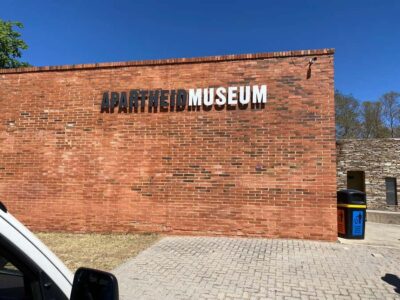
Full-Day Tour with Soweto and Apartheid Museum
Read our review →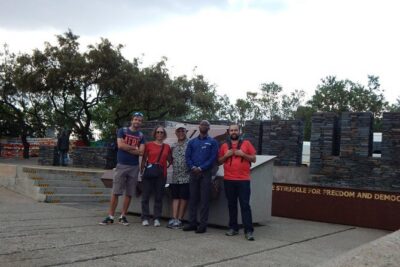
Half Guided Day Tour of Soweto And Apartheid Museum
Read our review →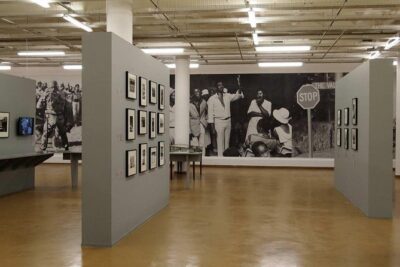
Ultimate Johannesburg Soweto Experience with Apartheid Museum
Read our review →
Hop-On Hop-Off Bus, City Tour and Apartheid Museum
Read our review →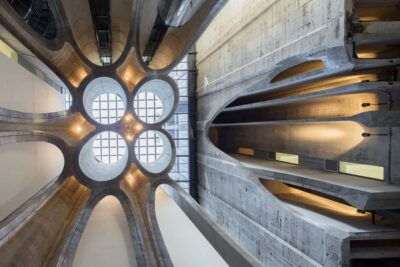
Museum of Contemporary African Art: Fast-Track Zeitz MOCAA
Read our review →
Maropeng Cradle of Humankind Museum &Sterkfontein Cave Experience
Read our review →
ROBBEN ISLAND MUSEUM TOUR, WITH OPTIONAL LAST MINUTE TICKETS
Read our review →Browse the lists this tour appears in