
Reviewed · SAFARI & GAME DRIVES
13 Day Safari – Cape Town to Johannesburg
South Africa packs an astonishing range of places into these 13 days: wine country, ostrich country, beaches, mountain trails, Nelson Mandela sites, hippos, crocodiles, and a full day in Kruger National Park. The trip is less a single safari than a cross-country sampler, with the Cape and eastern side of South Africa connected by road.
I like the way accommodation and breakfast are handled for all 12 nights, and I like the mix of wildlife with cultural and scenic stops. Kruger in an open 4×4 is the main prize, but Addo, iSimangaliso, Robberg, and the Drakensberg keep the trip from feeling like one long game drive.
The tradeoff is distance. Several days involve five to eight hours on the road, and some stops are brief. You get a broad view of South Africa, but not the slow pace of a stay based in one region.
The route in five useful points
- Cape Town to Johannesburg by road: You finish in a different city from where you begin, with the route crossing the Garden Route, Wild Coast, KwaZulu-Natal, and Mpumalanga.
- Three major wildlife areas: Addo Elephant National Park, iSimangaliso Wetland Park, and Kruger National Park each offer a different setting for wildlife.
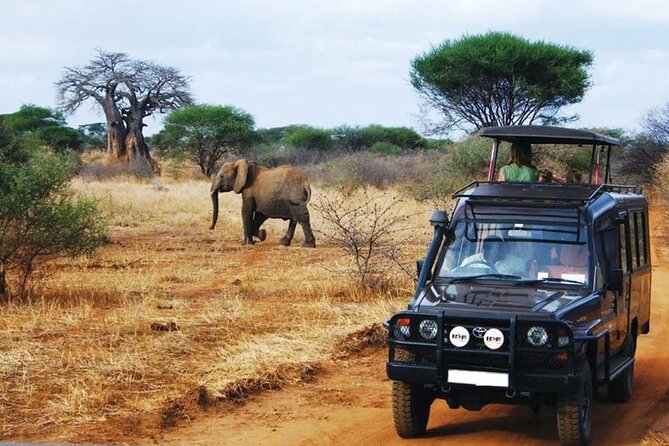
- Kruger’s full-day safari: Your nine-hour game drive uses an open game vehicle and includes a qualified guide.
- A strong mix beyond wildlife: You visit Knysna, Plettenberg Bay, Durban, Nelson Mandela sites, and the Drakensberg Mountains.
- Private travel with practical inclusions: Your group travels privately, with 12 nights of bed-and-breakfast accommodation and 12 breakfasts included.
- Long days require stamina: This is an active road trip with hiking, early starts, and substantial time in the vehicle.
Why this 13-day route works
I see this as a good choice if you want a first look at several parts of South Africa without arranging a string of hotels, transfers, and park activities yourself. You see the country change as you go: vineyards and dry inland hills near the Cape, forests and beaches along the Garden Route, rolling rural country in the east, and subtropical wetlands near St Lucia.
The private format matters. Your group is not combined with strangers, and the guide can explain the route as you go. One account specifically names a guide called Tim, who had worked with African Sun Safaris for more than five years and could offer different options along the way. Guides are not guaranteed by name, so ask about your assigned guide before departure.
The pace is the central issue. The tour description calls part of the trip a 10-day Garden Route tour, but the full experience lasts 13 days and ends in Johannesburg. In practical terms, you should think of it as a 13-day South African road journey with several safari sections, not 13 days devoted to wildlife.
More Safaris and Game Drives in Cape Town
- From Cape Town: Big Five Game Reserve with Lunch
★ 4.6 · 2,409 reviews - From Cape Town: 2-Day Safari at Garden Route Game Lodge
★ 4.8 · 928 reviews - Gansbaai: Marine Big 5 Boat tour
★ 4.7 · 593 reviews
Day 1: Wine, dry hills, and Oudtshoorn
The first day follows the R62 Wine Route through the Klein Karoo. The route passes Worcester, Robertson, and Montagu, all associated with wine production, and includes a wine tasting at one winery. Five hours are allocated to this part of the day.
This is a useful opening because it gives you a feel for the inland Cape rather than keeping you on the main coastal road. The scenery changes from vineyard country to the drier interior, and the drive itself becomes part of the experience.
You then continue to Oudtshoorn for about three hours, including a tour and a guided visit to a wildlife ranch. Oudtshoorn is a natural bridge between the Cape winelands and the Garden Route, though the day is already long. If you prefer slow meals and unhurried tastings, this schedule may feel tight.
Day 2: Knysna Heads and the Garden Route
Knysna receives a full six-hour visit, including the Knysna Heads and the Knysna Quays. The Heads are the dramatic coastal entrance to the Knysna lagoon, while the Quays offer a more relaxed waterfront stop.
You also have time to explore beaches, forest trails, and local culture in the area. I like this day because it gives you room to get out of the vehicle and walk. After the long first day, that change of pace matters.
The Garden Route is often sold through scenery alone, but Knysna works best when you give yourself time to notice how the lagoon, wooded hills, and coast fit together. The tour does not list every activity in detail, so expect guided sightseeing rather than a menu of separately scheduled excursions.
Day 3: Robberg Nature Reserve and Plettenberg Bay
Robberg Nature Reserve is one of the strongest walking stops on the route. You can choose a one-hour, two-hour, or four-hour hike, with about three hours set aside for the visit. The peninsula includes fynbos, ocean views, prehistoric rock, and Stone Age remains.
The shorter walk makes the tour more approachable, while the longer option suits you if hiking is a major reason for booking. Still, conditions can change with weather, and the reserve should be treated as a proper outdoor walk rather than a quick viewpoint stop.
The afternoon is spent in Plettenberg Bay, with about three hours for its sandy beaches and coastal setting. This pairing works well: Robberg supplies the active portion, and Plettenberg Bay gives you time to relax. Bring walking shoes, sun protection, and a layer for changing coastal weather.
Other game drives within reach of Cape Town:
- Big Five Game Reserve Wildlife Safari from Cape Town
★ 4.0 · 576 reviews - Big Five Safari and Breede River Valley Guided Day Trip
★ 5.0 · 526 reviews - Cape Town: Aquila Game Reserve Sunset Game Drive
★ 4.5 · 508 reviews - From Cape Town: South African Wildlife and Safari 2-Day Tour
★ 4.7 · 411 reviews
Day 4: Bloukrans Bridge and Addo Elephant National Park
Bloukrans Bridge is home to the world’s highest bungee jump, but the jump is optional and costs an additional $50. You get about two hours at the bridge, so this is a chance to add an adrenaline activity without making it the focus of the whole trip.
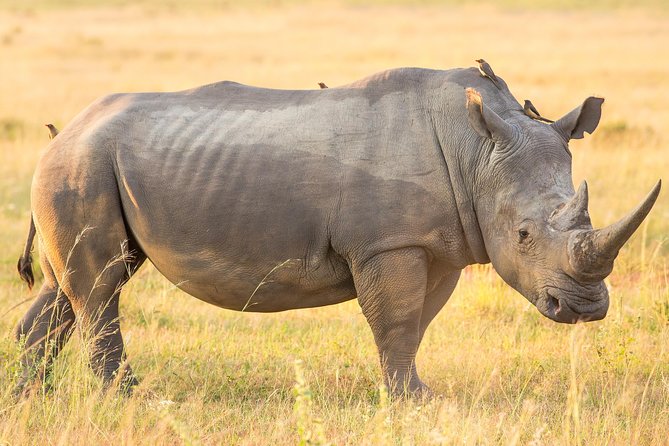
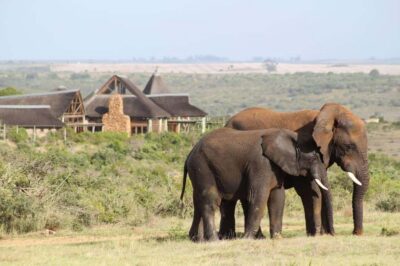
The main event is Addo Elephant National Park, reached after Bloukrans. A five-hour game drive is included, and Addo is described as a Big Five reserve and the third-largest game reserve in South Africa. You may see elephants, buffalo, kudu, impala, nyala, and other wildlife.
Addo gives you an early safari before Kruger, which is helpful because wildlife sightings are never guaranteed in any park. The two reserves also feel different in scale and setting, even though both offer classic game viewing. Keep your expectations sensible: a Big Five label means the animals are present in the reserve, not that every species will appear during your drive.
Day 5: Port Alfred and East London
The coastal journey continues through Port Alfred, where you spend about two hours near the white beaches and the Kowie River. The stop is simple, but it breaks up the road journey and gives you a chance to see another South African seaside town.
You then continue toward East London for about three hours. This is mostly a transition day, with sightseeing along the Wild Coast route rather than a major single attraction.
I would treat this day as a chance to rest, take photos, and watch the scenery change. If you need constant activities, it may feel light. If you value seeing how towns and countryside connect, it helps give the route its sense of place.
Day 6: Mvezo and Nelson Mandela’s story
The route turns inland to Mvezo, Nelson Mandela’s birthplace. You spend about two hours seeing monuments connected with his early life.
The next stop is the Nelson Mandela Museum in Mthatha, also set aside for about two hours. The museum covers his life from birth to death and his work for a non-racial South Africa.
These visits add important context to a route that could otherwise become a string of scenery and animal sightings. They are also a reminder that South Africa’s past is not separate from its present. The day is not built around long hikes or wildlife, so it offers a useful change after the coastal drive.
Day 7: Howick Falls, the Capture Site, and the Drakensberg
Howick Falls is a 100-meter waterfall and receives about an hour. It is a short stop, but the height of the falls makes it a worthwhile photo break.
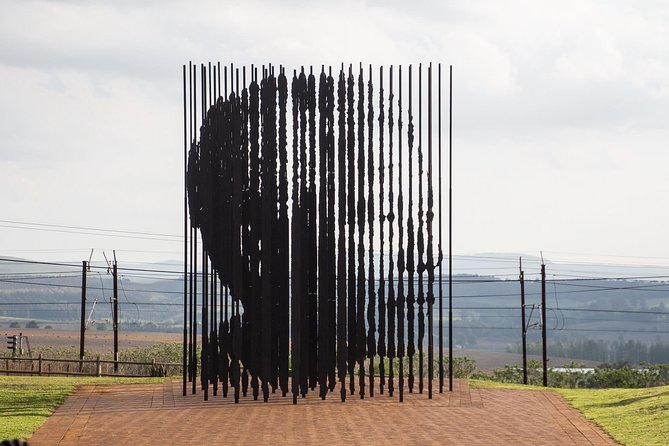
You then visit the Nelson Mandela Capture Site, including its sculpture and museum. The museum covers South African history before independence, giving you another chance to place the Mandela sites within a wider national story.
The final two hours take you toward the Drakensberg Mountains for the night. The mountains reach 3,482 meters at their highest point, and snow can occur in winter. Rain and mist are possible year-round, so pack clothing that works across changing conditions.
Day 8: Hiking the Drakensberg, then Durban
The Drakensberg receives four hours of hiking time. This is one of the days when the tour feels most active, with mountain scenery replacing the coast and road.
The mountains can offer anything from a straightforward walk to challenging mountaineering, but this tour specifically lists hiking rather than a technical climb. Your guide should be able to explain the planned route and its demands. Wear shoes suitable for uneven ground, and do not assume that warm coastal weather means warm mountain conditions.
After lunch, you drive for about three hours to Durban for the night. That combination gives you a rewarding morning outdoors, followed by a fairly long transfer. It is effective, but not leisurely.
Day 9: Durban and iSimangaliso Wetland Park
The Durban city tour takes in the Promenade, Victoria Market, Durban Botanic Gardens, and City Hall. Three hours is enough for an overview, though not for a detailed visit to every site.
Durban brings a different side of South Africa to the route. The city tour is urban and cultural, while the later drive heads toward iSimangaliso Wetland Park. You spend about three hours traveling after lunch and stay near the park.
This is another transfer-heavy day, but the change from city streets to wetlands is part of the appeal. If Durban interests you greatly, consider treating this as an introduction rather than a complete city tour.
Day 10: Hippos and crocodiles at St Lucia
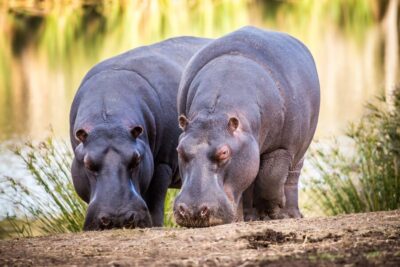
The St Lucia Estuary boat cruise is one of the clearest highlights of the trip. The two-hour boat safari travels roughly eight kilometers north through the estuary, looking for hippos and crocodiles.
Seeing hippos yawning and grunting from a boat is a different experience from watching animals from a vehicle. The water setting also gives you a break from dusty roads and land-based game drives. The cruise takes place within iSimangaliso Wetland Park, identified as South Africa’s first World Heritage site.
The afternoon is reserved for St Lucia and the surrounding wetland area. You have about three hours to relax and explore the town. This is a good place to slow down, since the next day is another long transfer.
Day 11: Eight hours through Mpumalanga
Day 11 is mainly about getting across the country toward Kruger National Park. About eight hours are spent traveling through Mpumalanga, with views of rural countryside, traditional homesteads, villages, and local communities.
There is no major admission stop listed for this day, so plan mentally for a road day. The reward comes later, but the journey lets you see parts of South Africa that are easy to miss when flying between parks.
You should bring water, snacks, a book, or something else for the vehicle. Breakfast is included each morning, but other meals are not listed as included, so budget for lunch, dinner, and drinks separately.
Day 12: The main safari day in Kruger
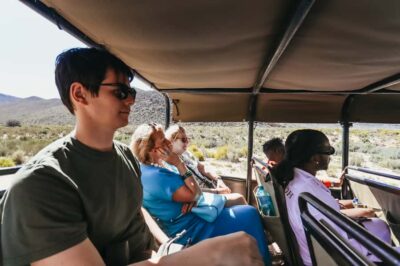
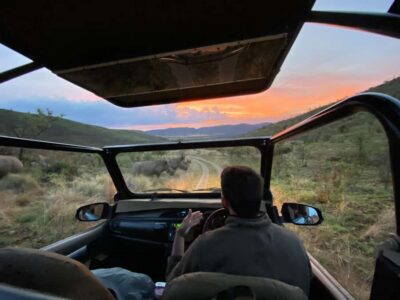
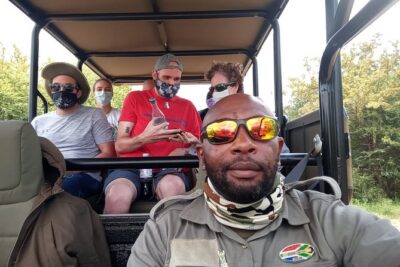
Kruger gets a full nine-hour safari in an open game vehicle with a qualified guide. This is the strongest wildlife day of the tour and the point at which the trip earns its safari title most clearly.
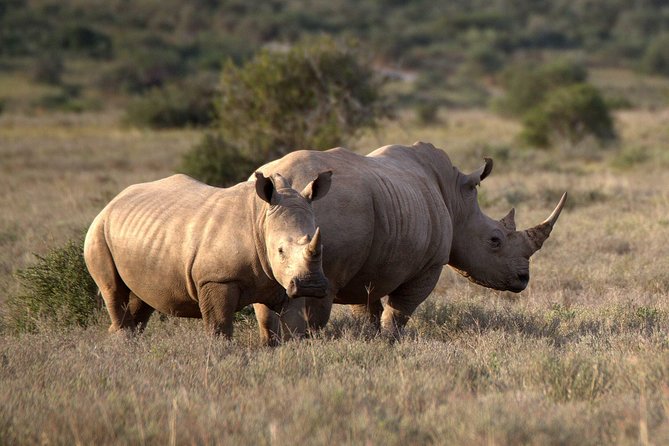
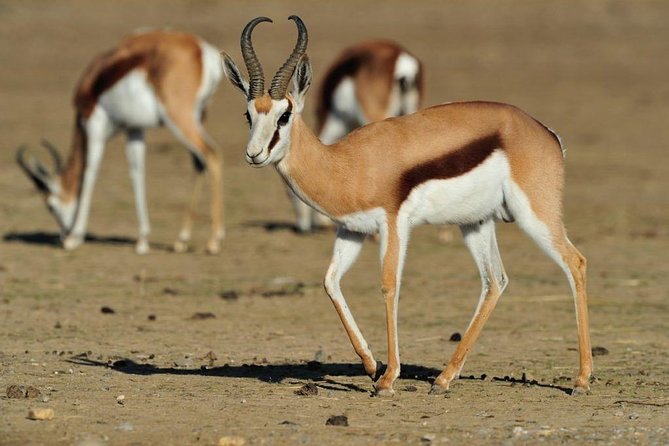
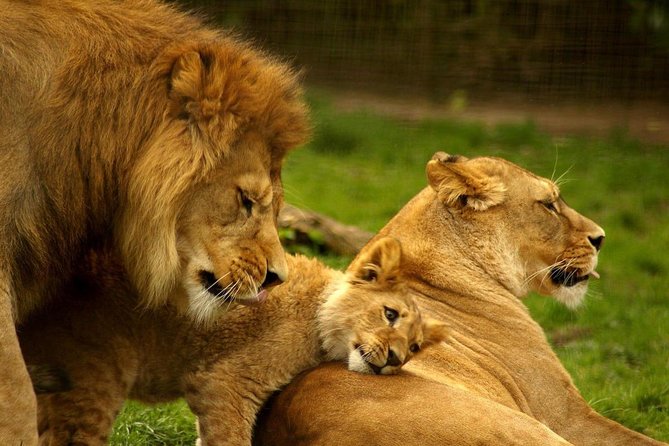
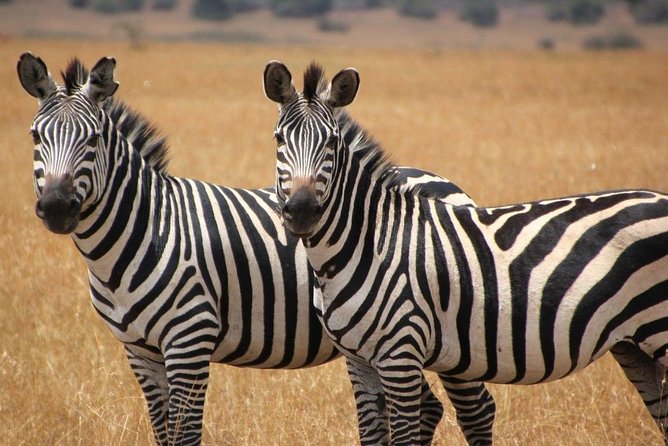
The park is a Big Five reserve, and possible sightings include lions, rhino, buffalo, elephants, giraffes, zebras, kudu, and impala. Cheetahs are also listed among the animals you may see.
An open vehicle gives you a better view than a closed car and makes the sounds and smells of the park part of the experience. Still, wildlife follows its own schedule. You might see a large number of animals, or spend stretches of time watching smaller details and waiting for movement.
Nine hours is a serious outing. Bring sun protection and clothing suited to a long day outdoors. The precise meal arrangements for the safari are not stated, so ask the operator what you should carry or purchase before setting out.
Day 13: Mpumalanga to Johannesburg
The final day includes about five hours of travel through Mpumalanga, with rural views and village scenery along the way. You then continue to Johannesburg, arriving in the afternoon and ending the tour there.
This one-way finish is useful if you plan to fly home from Johannesburg or continue into another part of South Africa. It also means you should not book a tight same-day connection unless the operator confirms the arrival timing.
What the $3,463.07 price buys you
At $3,463.07 per person, this is not a budget road trip. The value comes from the amount of ground covered and the planning bundled into the price: 12 nights of accommodation, daily breakfast, private transport, guiding, several park visits, the Kruger open-vehicle safari, the St Lucia boat cruise, wine tasting, hiking, and city and cultural stops.
You are also paying for convenience. Organizing this route independently would mean arranging lodging in many different towns, several long-distance transfers, park admissions, game drives, and the move from Cape Town to Johannesburg. The private format can be especially useful if your group wants control over the pace.
The price does not include the Bloukrans bungee jump, listed at $50, and the information does not say that lunch or dinner is included. Build a separate food budget and ask exactly which accommodations are being used. One piece of feedback raised concern about learning the hotel details late and only confirming pickup information 48 hours before departure, so I would request those details early.
Who should book this safari
I would recommend it to you if you want a broad first visit to South Africa, prefer having a driver and guide, and are comfortable with long road days. It suits couples, families, and private groups that want the convenience of one booking without giving up the chance to see beaches, towns, mountains, museums, and wildlife.
It is less suitable if your main goal is a slow safari with several days in one reserve. You receive one full day in Kruger, one game drive in Addo, wetland experiences in iSimangaliso, and a great deal of driving between them.
The private format is a real advantage, but communication deserves attention. Confirm the pickup point, pickup time, hotel names, meal arrangements, and the exact plan for each hiking day before you leave. Pickup is offered, the start time is 7:30 a.m., group discounts are available, and most participants can take part, but the tour still demands reasonable mobility for walking and hiking.
Cancellation is flexible up to 24 hours before the start for a full refund. Changes or cancellations inside that 24-hour window are not accepted or refunded.
Should you book the Cape Town to Johannesburg safari?
Book it if you want South Africa in broad strokes: coast, mountains, culture, and wildlife in one private route. The strongest sections are Robberg, the Drakensberg, St Lucia, Addo, and the full-day Kruger safari.
Skip it if you dislike long drives, want fixed luxury accommodation chosen well in advance, or would rather spend a week concentrating on one park. For the right kind of explorer, this is a practical way to connect two major cities while seeing far more than the usual Cape Town and Johannesburg highlights.
FAQ
How long is the experience?
The tour lasts approximately 13 days and ends in Johannesburg.
Where does the tour start and finish?
It starts in Cape Town and finishes in Johannesburg.
What time does the tour start?
The listed start time is 7:30 a.m.
Is this a private tour?
Yes. Only your group participates in the private tour or activity.
Is accommodation included?
Yes. The price includes accommodation for 12 nights on a bed-and-breakfast basis.
Are breakfasts included?
Yes. Twelve breakfasts are included.
Which national parks and reserves are visited?
The route includes Addo Elephant National Park, iSimangaliso Wetland Park, and Kruger National Park. Hluhluwe Imfolozi Game Reserve is also named in the overall tour description, but it is not assigned a separate stop in the day-by-day details provided.
Is the Kruger safari included?
Yes. The Kruger experience includes a full-day, nine-hour safari in an open 4×4 vehicle with a qualified guide.
Is the Bloukrans Bridge bungee jump included?
No. Bungee jumping is optional and costs $50.
Can I cancel for a full refund?
Yes, if you cancel at least 24 hours before the experience start time. Cancellations made less than 24 hours before the start are not refunded, and late changes are not accepted.
Just added in Cape Town
- Wine Tasting in Cape’s Top Three Winelands Private Tour★ 4.5 · 17 reviews
- Private Tour to Aquila Game Reserve in Cape Town – see the Big5★ 5.0 · 5 reviews
- Private Tour:Cape of Good Hop>Seal island>Chapman’speak &Penguins★ 5.0 · 7 reviews
- Full Day Big 5 Aquila Safari Private Transfers Including Park Fee From Cape Town★ 4.5 · 54 reviews
- Robben Island and Table Mountain Cableway with Bo-Kaap Day Tour★ 5.0 · 8 reviews
- Private Full Day Cape Town City Scenic and Table Mountain Tour.★ 5.0 · 3 reviews
- Private Half DayTour:Cape Winelands, Stellenbosch from Cape Town★ 5.0 · 18 reviews
- Private Tour: Cape Winelands to Stellenbosch & Franschhoek★ 5.0 · 3 reviews
Safari & Game Drives, compared.
Addo Elephant National Park All Inclusive Full-Day Safari
Read our review →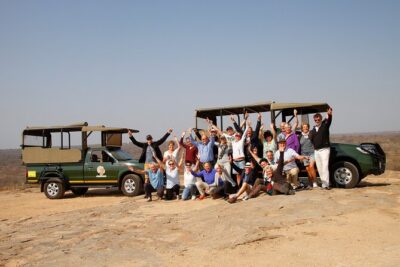
Full Day Ultimate Pilanesberg National Park Safari from Johannesburg or Pretoria
Read our review →
Little Brak River: Botlierskop Guided Game Drive
Read our review →Browse the lists this tour appears in