
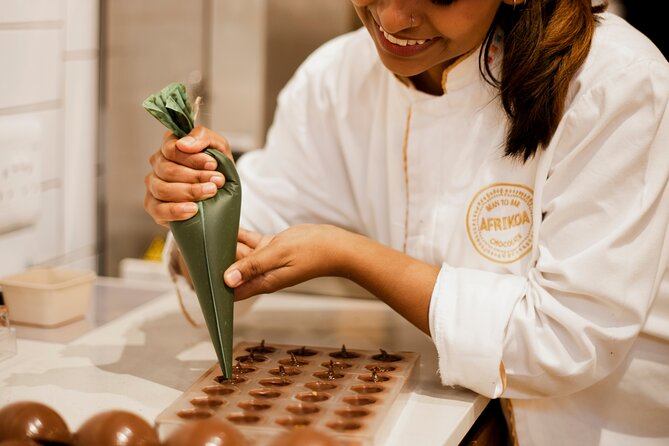
Reviewed · TOURS IN CAPE TOWN
The Art of Chocolate Making Bean-To-Bar Experience in Cape Town
Chocolate here is more than a quick sugar hit. At Cape Town’s Makers Landing, you learn how Tanzanian cacao changes through fermentation, roasting, grinding, refining, conching, and tempering, then taste the finished chocolate. It is a compact lesson with a very edible ending.
I like the focus on single-origin Tanzanian cacao, since it lets you notice the character of one growing region instead of tasting a vague blend. I also like the direct connection to farmers and the chance to taste several styles, from dark chocolate to specialty bars with added flavor combinations.
The main caution is time. The experience lasts about 25 minutes, and one review found the explanation and tasting rushed. If you want a full practical workshop where you temper and mold chocolate yourself, check exactly what is included before booking.
Key points at a glance
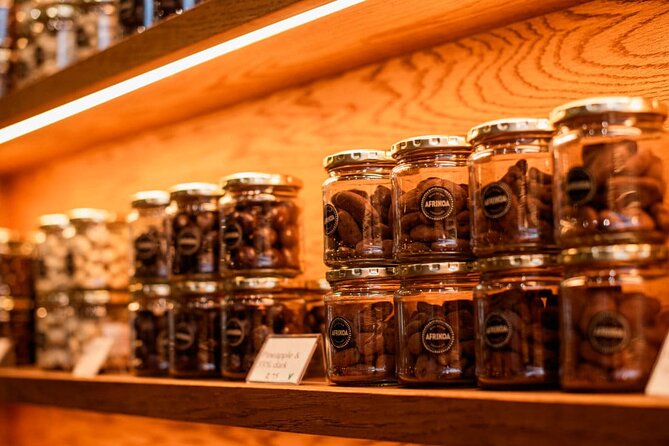
- Tanzanian bean-to-bar chocolate: The business sources heirloom cacao beans directly from farmers in Tanzania and controls the process through to the finished bar.
- A short 25-minute format: This suits a quick stop at Makers Landing, but it leaves little room for a slow, detailed class.
- Single-origin tasting: You can focus on the particular flavors of cacao from one region rather than a broad commercial blend.
- Private participation: Only your own group takes part in the booked activity.
- Workshops are available: Additional hands-on sessions cover tempering, molding, and making personalized chocolates, but they may not be part of this short tasting.
- Wednesday availability: The listed hours are Wednesday from 9:00 a.m. to 3:30 p.m., with the activity returning to the starting point.
What the Cape Town chocolate experience is really about
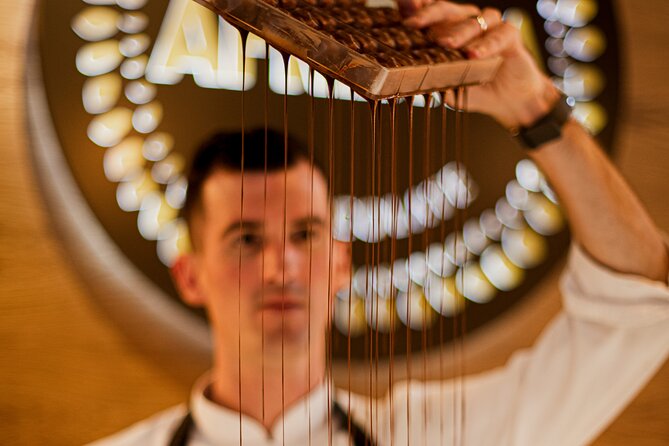
The central idea is simple: follow cacao from bean to bar, then taste the result. That sounds basic, but it gives you a useful framework for understanding why two dark chocolates can taste so different.
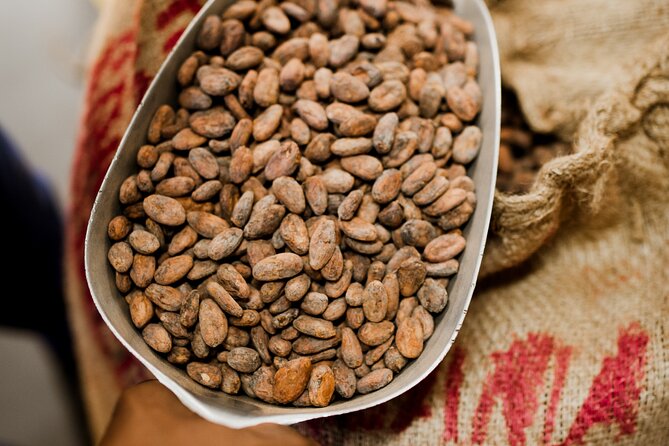
AFRIKOA Luxury Craft Chocolate uses heirloom cacao beans sourced directly from farmers in Tanzania. The chocolate is made as a single-origin product, meaning the beans come from one specific region rather than being mixed with cacao from several places.
That matters when you taste. A single-origin bar can show the character of its growing area more clearly. You may notice differences in aroma, bitterness, fruitiness, acidity, or texture. The experience does not just ask you to decide if you like chocolate. It gives you a reason to ask what you are tasting and why.
The emphasis on direct sourcing also connects the bar in your hand to the people who grow the cacao. The stated focus includes sustainability, transparency, and ethical production. You should not expect a long lecture on global agriculture in a 25-minute visit, but the sourcing story adds substance to what could otherwise be a simple sample stop.
Other sweet things to eat in Cape Town:
- AFRIKOA Bean-to-Bar Chocolate Experience
★ 4.8 · 12 reviews - Cape Town Dessert Thrill: 4×4 Dune Venture
★ 5.0 · 3 reviews
Starting at Makers Landing in the V&A Waterfront
You meet at Makers Landing, located at The Cruise Terminal in the Victoria and Alfred Waterfront, Cape Town, 8001. The area is near public transportation, so you can fit the activity into a wider Waterfront outing rather than building your whole day around it.
The start and finish are at the same meeting point. That makes the logistics easy, especially if you are combining this with food, shopping, or other stops around the Waterfront. You receive a mobile ticket, so there is no need to manage a paper voucher.
The listed operating period runs from December 22, 2023, through June 18, 2026, with opening hours on Wednesdays from 9:00 a.m. to 3:30 p.m. Pay close attention to the day when planning. A chocolate shop may sound like a flexible drop-in stop, but this experience has a specific Wednesday schedule.
The private format is another practical point. Only your group participates, which can make it easier to ask questions and set the pace. Still, private does not automatically mean leisurely. With only about 25 minutes available, you will want to arrive ready to start.
Following cacao through seven important stages
The most useful part of the experience is the explanation of what happens before cacao becomes a polished chocolate bar. The process includes fermenting, drying, roasting, grinding, refining, conching, and tempering.
Fermentation begins after cacao beans are removed from the fruit. This stage helps develop the flavors that later appear in the chocolate. It is one reason cacao cannot simply be picked, dried, and turned into a bar with no further work.
The beans are then dried, reducing moisture and preparing them for roasting. Drying affects how the beans store and how they behave during later processing.
Roasting brings out aroma and deeper flavor. Much like coffee, the heat used here can shape the final taste. It can help create nutty, toasted, or darker notes, though the exact result depends on the beans and the maker’s decisions.
After roasting, the cacao is ground. The solid pieces become a finer paste, known as chocolate liquor. Despite the name, this is not an alcoholic drink. It is a concentrated cacao product that forms the base of chocolate.
Refining reduces the particle size and gives the chocolate a smoother mouthfeel. This is where a rough, grainy mixture starts moving toward the texture you expect from a finished bar.
During conching, the chocolate is worked for an extended period. This helps smooth the texture and develop the flavor. It is an important reminder that good chocolate depends not only on ingredients but also on time and handling.
Finally, tempering controls how the cocoa butter crystals form as the chocolate cools. Proper tempering helps create a clean snap, glossy appearance, and stable texture. If you have ever seen chocolate look dull, streaky, or soft when it should be firm, tempering is part of the answer.
You may not get a long technical demonstration of each stage during such a short visit. The value is in seeing the complete chain, from agricultural product to finished confection. If you are curious about the craft side, the store also offers workshops and masterclasses that cover tempering, molding, and creating personalized chocolates.
Tasting Tanzanian single-origin chocolate
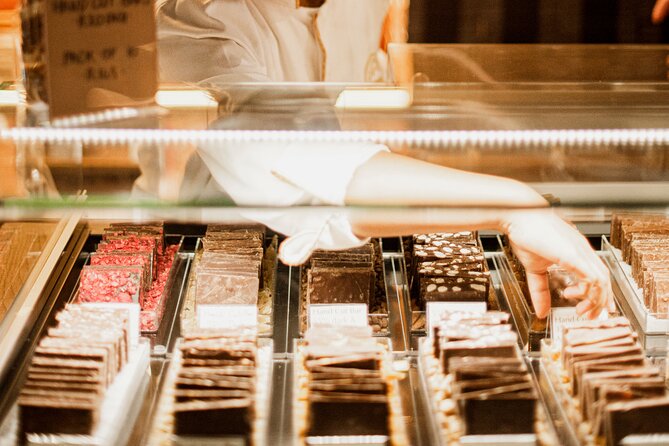
The tasting gives the process a practical purpose. You are not simply hearing about cacao and then walking away. You get to try some of the chocolate made from those beans.
The selection includes dark chocolate and specialty bars with flavor combinations. The dark chocolate should give you a clearer sense of the cacao itself, while the specialty bars show how the maker combines the base chocolate with other flavors.
When tasting, start with the aroma before eating. Let a small piece melt rather than chewing it immediately. Notice whether the flavor begins sharp, bitter, fruity, earthy, nutty, or sweet, and pay attention to how long it remains after the chocolate is gone.
The single-origin approach is especially helpful here. Since the cacao comes from one region in Tanzania, the tasting has a clear point of reference. You can concentrate on the personality of Tanzanian cacao rather than trying to compare a random collection of bars from unknown sources.
One useful expectation to set: this is a tasting and explanation, not necessarily a full chocolate-making class. The description presents workshops and masterclasses as offerings at the store, while this particular experience lasts about 25 minutes. If you want to mold your own pieces or practice tempering, ask before booking whether you need a different session.
Other places to drink in Cape Town:
- Private Day Tour to Cape Point , Penguins, Wine or Beer Tasting
★ 5.0 · 80 reviews - Wildlife Safari, Olive, Beer/Wine Tasting Day Tour from Cape Town
★ 5.0 · 39 reviews - From Cape Town: Wildlife Safari, Olive, Beer & Wine Tasting
★ 4.7 · 18 reviews - Soweto Food & Beer Bike Tour
★ 4.9 · 40 reviews
Is $10.79 good value?

At $10.79 per person, this is priced as an affordable add-on rather than a major Cape Town excursion. The value comes from combining a tasting with a short lesson about chocolate production.
I think the price works well if you are already near the V&A Waterfront and want a small food-focused activity. You get an explanation of the full bean-to-bar process, a taste of Tanzanian single-origin chocolate, and a private format for a relatively low cost.
The calculation changes if you are expecting a hands-on class. Twenty-five minutes is not much time for detailed instruction, multiple samples, and practical work with chocolate. A longer workshop may offer better value for someone who wants to temper, mold, and make personalized chocolates.
This is also not the kind of activity that fills a morning or afternoon. That is a benefit if your schedule is packed. It is a limitation if you are seeking a substantial culinary experience.
The overall rating is 3.3 out of 5 from six ratings, which suggests a mixed experience rather than a sure bet. One particularly positive assessment appreciated being able to taste the chocolate through its different stages until it became a bar. A lower assessment found the explanation and tasting too rushed, although the staff were described as nice. Those two points fit the format: the content is appealing, but the clock matters.
Who will enjoy this short chocolate stop?

I would recommend it most to:
- Chocolate fans who want to understand how cacao becomes a bar.
- Food-focused visitors already spending time at the V&A Waterfront.
- Couples and small private groups who prefer not to join a large public session.
- Families or friends looking for a brief, easy activity with a tasting at the end.
- People interested in ethical sourcing and direct relationships with cacao farmers.
- Future workshop participants who want a short introduction before booking a longer class.
It may disappoint you if you want to spend an hour or more making chocolate with your own hands. It may also feel too brief if you have already taken several bean-to-bar classes and want advanced detail.
The private setting can help, particularly if you have specific questions about Tanzanian cacao or the production stages. But you should ask questions early. In a 25-minute format, waiting until the final minute can leave you with things still unsaid.
Practical planning for your Wednesday visit
Plan to arrive at Makers Landing with your mobile ticket ready. Confirmation is provided at booking, and the meeting point is also the end point, so there is no transfer to arrange.
Because the activity is near public transportation, you can connect it with the wider Victoria and Alfred Waterfront. The same-location return is useful if you have another booking afterward, though I would still leave some spare time rather than scheduling something immediately after the chocolate session.
The Wednesday hours are 9:00 a.m. to 3:30 p.m. The supplied information does not state how often sessions run within that window, so check your selected start time carefully.
Free cancellation is available if you cancel at least 24 hours before the local start time. Canceling or changing the booking within 24 hours is not accepted for a refund. That policy is reasonable for a small scheduled activity, but it makes an early decision important if your Cape Town plans are uncertain.
How to get the most from the tasting
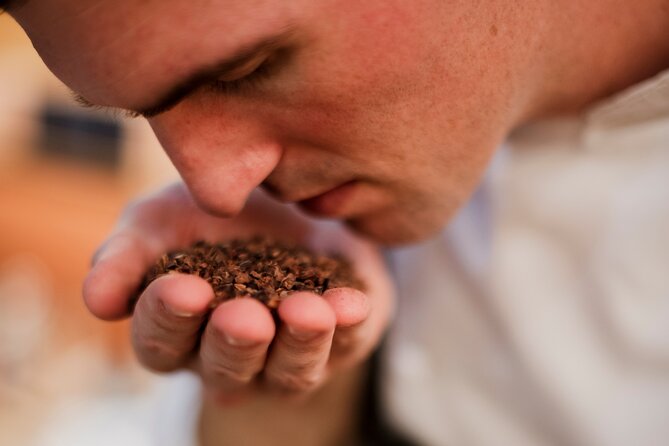
I would approach this as a focused introduction, not a full class. Before you arrive, decide what you want to learn: the difference between single-origin and blended chocolate, the role of tempering, or the reason Tanzanian cacao tastes distinctive.
During the explanation, keep track of the sequence. Fermentation and drying happen early, while refining, conching, and tempering shape the final texture and finish. Knowing that order makes the short presentation easier to follow.
Taste slowly. A quick bite can make several chocolate samples blur together, especially when the session is compact. Give each piece a moment, and compare the dark chocolate with the specialty bars.
If you are booking for a group, consider arranging questions in advance. Ask whether a workshop or masterclass is available if your group wants to mold chocolate or create personalized pieces. The short tasting can then serve as a preview rather than your entire chocolate lesson.
Should you book the AFRIKOA chocolate experience?
Book it if you want an inexpensive, private chocolate tasting at the V&A Waterfront and like the idea of learning about Tanzanian cacao from bean to bar. The single-origin focus, direct farmer sourcing, and clear explanation of the seven processing stages give the visit more purpose than a basic candy sample.
Skip it, or choose a longer workshop, if hands-on chocolate making is your main goal. The 25-minute schedule can feel rushed, and the mixed rating reflects that limitation.
My practical call: book this as a short food stop, especially if you are already visiting Makers Landing on a Wednesday. Treat the workshop and masterclass options as separate possibilities unless your booking specifically confirms hands-on work. That expectation will make the $10.79 price feel fair.
FAQ
Where does the chocolate experience begin?
It begins at Makers Landing, The Cruise Terminal, Victoria and Alfred Waterfront, Cape Town, 8001, South Africa.
Where does the activity finish?
The activity ends back at the same meeting point at Makers Landing.
How long does the experience last?
The experience lasts approximately 25 minutes.
What chocolate-making stages are explained?
The experience covers fermenting, drying, roasting, grinding, refining, conching, and tempering cacao beans.
Where do the cacao beans come from?
AFRIKOA Luxury Craft Chocolate sources heirloom cacao beans directly from farmers in Tanzania.
Is the experience private?
Yes. Only your group participates in the private activity.
Can I cancel for a full refund?
Yes, if you cancel at least 24 hours before the experience start time. Cancellations or changes made less than 24 hours before the start time are not eligible for a refund.
Just added in Cape Town
- Wine Tasting in Cape’s Top Three Winelands Private Tour★ 4.5 · 17 reviews
- Private Tour to Aquila Game Reserve in Cape Town – see the Big5★ 5.0 · 5 reviews
- Full Day Big 5 Aquila Safari Private Transfers Including Park Fee From Cape Town★ 4.5 · 54 reviews
- Robben Island and Table Mountain Cableway with Bo-Kaap Day Tour★ 5.0 · 8 reviews
- Private Tour:Cape of Good Hop>Seal island>Chapman’speak &Penguins★ 5.0 · 7 reviews
- Private Full Day Cape Town City Scenic and Table Mountain Tour.★ 5.0 · 3 reviews
- Private Half DayTour:Cape Winelands, Stellenbosch from Cape Town★ 5.0 · 18 reviews
- Private Tour: Cape Winelands to Stellenbosch & Franschhoek★ 5.0 · 3 reviews
Tours in Cape Town, compared.

Wine Tour: Paarl, Franschhoek & Stellenbosch incl 3 wineries
Read our review →
Cape of Good Hope & Penguins Day Tour with Pickup
Read our review →
Zipline Cape Town – From Foot of Table Mountain Reserve
Read our review →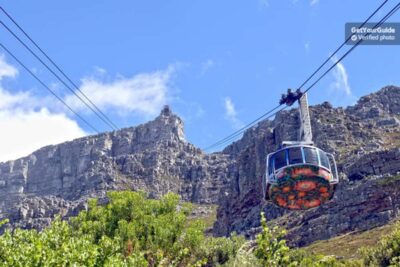
Table Mountain Cable Car, Hop-On Hop-Off Bus Tour
Read our review →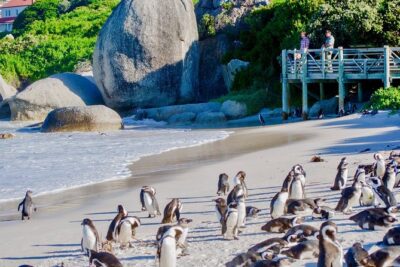
Cape Point and Boulder’s Penguins Full Day Tour
Read our review →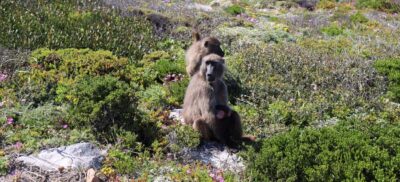

Browse the lists this tour appears in