
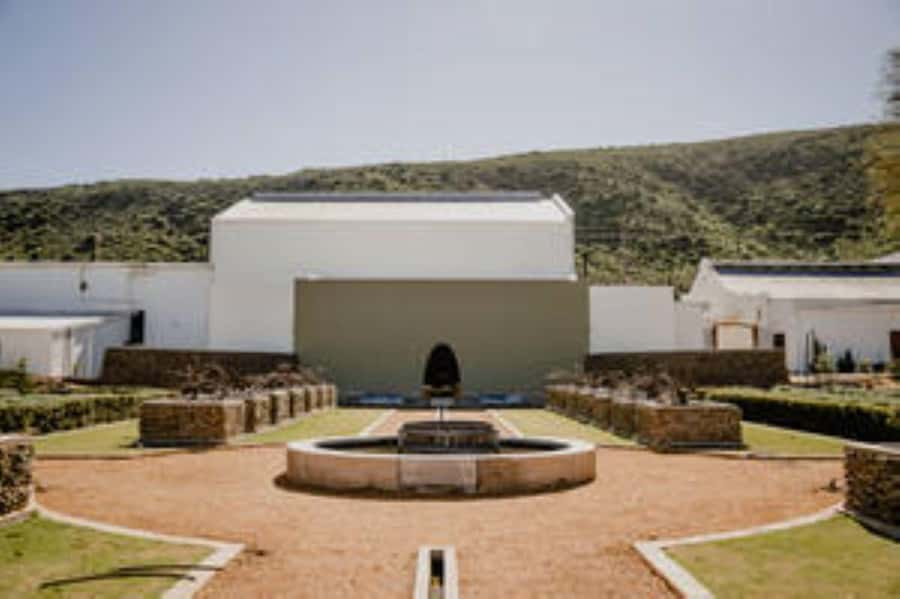
Reviewed · TOURS IN STELLENBOSCH
Bonnievale : Captivated By Chardonnay
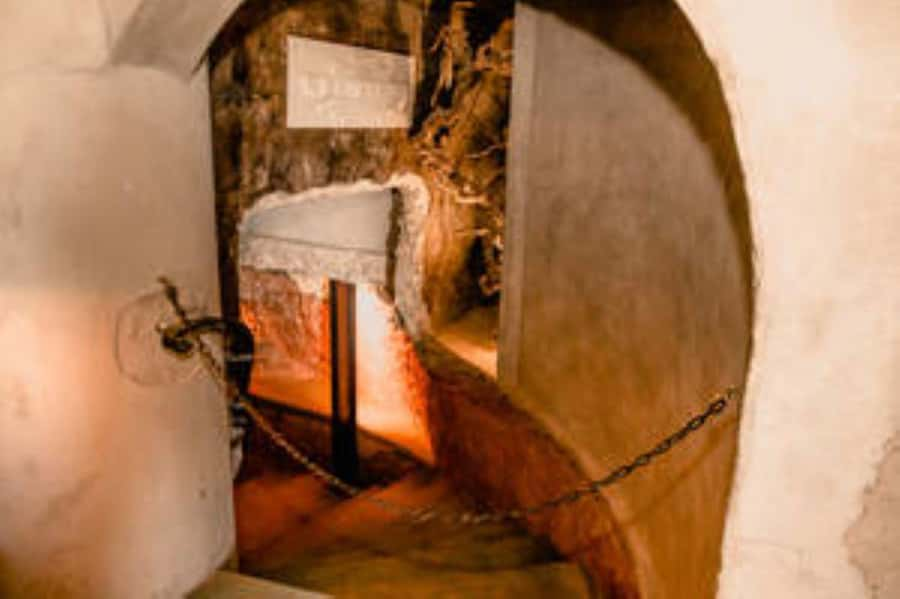
Weltevrede’s Captivated by Chardonnay tour turns a wine tasting into a small underground journey through geology, family history, winemaking, and poetry. The setting is unusual: you taste three Chardonnays beside old wine tanks, with the dim light giving the experience a quiet, thoughtful mood.
I like the clear focus on one grape and the way each tasting is tied to a place or idea. I also like the museum-style displays about Robertson Valley soil and the final Poet’s Prayer tasting with a poetry reading. The main drawback is the fixed afternoon schedule, so this is not a quick stop you can easily squeeze between other appointments.
Key points
- Three named Chardonnays: Taste Calcrete, Place of Rocks, and Poet’s Prayer, each presented as part of the wider story.
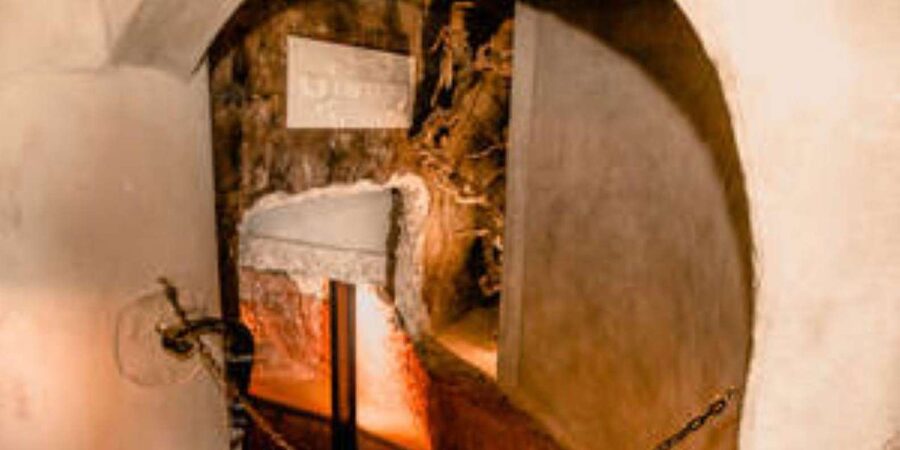
- Underground setting: The tasting takes place in dimly lit tunnels near the deepest part of the cellar.
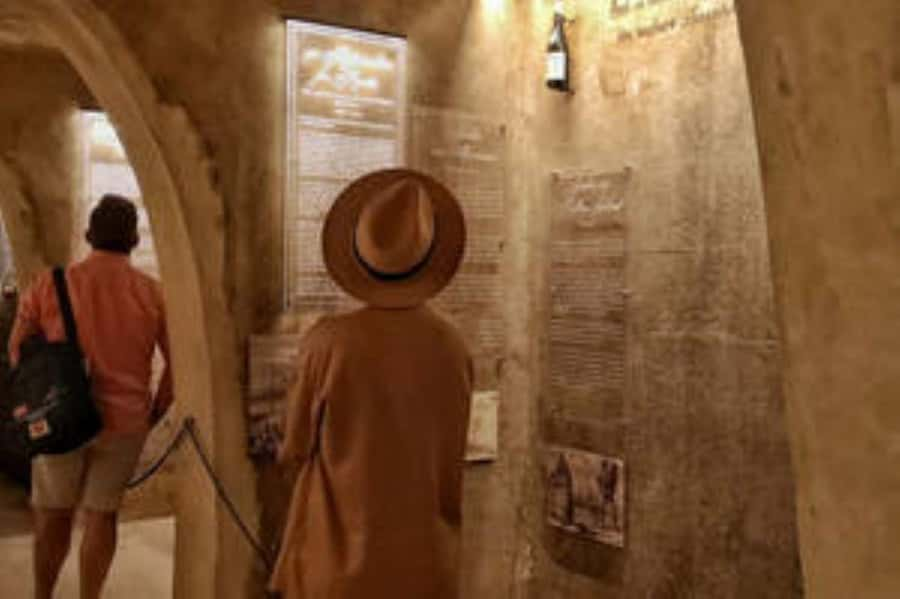
- Soil and geology: Museum-like displays explain the terroir of the Robertson Valley.
- Family-run estate: Learn about Weltevrede’s history and the family behind the farm.
- A thoughtful final course: Poet’s Prayer Chardonnay is paired with poetry written by Philip Jonker.
- Afternoon commitment: Arrive at 13h45 for the 14h00 briefing, with the experience ending at 16h00.
Why Chardonnay gets the whole afternoon
Many wine tastings move quickly from one glass to the next. This one takes a different route. Weltevrede uses Chardonnay as a guide through the world of wine, beginning with where the grape is grown and ending with a personal expression of the cultivar from the Robertson Valley.
That narrow focus is a strength. You are not asked to compare six unrelated wines while trying to remember their names. Instead, the three Chardonnays have a clear place in the story, and the guide explains how geography, soil, and the winemaker’s choices shape what ends up in your glass.
The experience is listed as two hours, with the formal program running from 14h00 to 16h00. The underground portion is also described as a one-hour tour within the broader visit. That means you should allow the full afternoon rather than assuming this is a standard 45-minute tasting.
The tone is intended to be relaxed but serious. You get information, yet the tour also makes room for family stories, history, and poetry. I would choose it for a slow afternoon in the Robertson Valley, not for a rushed tasting before a long drive.
Other trips people book in Stellenbosch:
- Stellenbosch: Guided Historical Walking Tour
★ 4.7 · 283 reviews - Stellenbosch: Historical Bike Tour & Wine Tasting
★ 4.9 · 248 reviews - Full Day Afrivista Wine Tours from Stellenbosch
★ 5.0 · 238 reviews
Arriving at Weltevrede at 13h45
The timing matters here. You are asked to arrive at 13h45, when the host meets the group. The briefing begins at 14h00, followed by an audiovisual presentation at 14h10.
That early arrival gives you a few minutes to settle in before the program starts. Do not treat the arrival time as optional if you want the full experience. The audiovisual portion sets up the rest of the visit by explaining Chardonnay’s place in the wine world and how the grape reached the Robertson Valley.
The schedule also gives the afternoon a steady rhythm:
- Arrival and host welcome at 13h45
- Briefing at 14h00
- Audiovisual presentation at 14h10
- Calcrete tasting at 14h30
- Place of Rocks tasting at 15h00
- Poet’s Prayer tasting at 15h40
- Finish at 16h00
This is a guided program rather than an open-ended cellar visit. You follow the host from one stage to the next, which helps keep the story in order. It also means you cannot simply arrive at any time and expect to join the tasting in progress.
The Robertson Valley explained through soil and place
One of the best parts of the experience is the attention given to terroir. That word can become vague in wine marketing, but here the tour connects it to presentations about the geology and soils of the Robertson Valley.
You will see displays designed almost like a small museum. They help explain the physical setting behind the wines rather than leaving you with broad claims about sun, vines, and tradition. The tour places Chardonnay within the valley’s ground and rock, giving you a more useful way to think about how wine reflects its growing area.
This matters most if you enjoy understanding why two wines made from the same grape can taste different. The tour does not simply ask you to identify flavors. It considers the place where the grapes grow and the choices made by the person who turns them into wine.
The setting adds to this part of the visit. Instead of standing at a busy tasting counter, you move through underground spaces and look at displays connected to the land. The cellar atmosphere is part of the lesson, not just a pretty backdrop.
Calcrete at 14h30, the first Chardonnay
The first named tasting is Calcrete at 14h30. Its place in the schedule comes after the introduction to Chardonnay and the Robertson Valley, so you have some context before the glass arrives.
That order is useful. You first hear where Chardonnay is produced around the world and how it spread into the valley. Then you taste a wine linked to the local setting. The presentation encourages you to think about the relationship between the glass and the ground beneath the vines.
The tour’s approach is not built around a long list of tasting notes. Instead, the winemaker’s philosophy is central. You learn about the hand of the artisan and the pursuit of an elegant, unpretentious style.
I like that stated aim. It suggests the wines are presented as expressions of restraint and craft rather than as showy trophies. You can still enjoy the tasting if you are not trained in wine. The emphasis is on paying attention and understanding the choices behind the bottle, not on finding the perfect technical vocabulary.
Same base, a different kind of day out:
- From Stellenbosch: Hop-On Hop-Off Wine Tour Southern Route
★ 4.7 · 105 reviews - Stellenbosch: Wine Farm E-Bike Guided Tour
★ 4.6 · 88 reviews - Walking Tour of Stellenbosch
★ 5.0 · 81 reviews - Daily Different small group WINE tour – STELLENBOSCH PICKUP only
★ 5.0 · 72 reviews
Place of Rocks at 15h00
At 15h00, the tasting moves to Place of Rocks. The name fits the tour’s focus on geology, and this stage continues the connection between the wine and the physical character of the valley.
The gap between the first and second tastings gives the guide room to explain the winemaker’s point of view. You are not simply served a second Chardonnay and told to compare it with the first. The progression is meant to show how style, place, and human decisions work together.
That makes the visit especially useful for someone who has tasted Chardonnay before but wants more context. You can consider the differences between Calcrete and Place of Rocks as part of a larger story about the estate, not as a blind test with a right answer.
The pace also helps avoid the common problem of wine tours: too much information delivered too quickly. The schedule leaves time for the guide to explain the displays and for you to take in the underground surroundings. A visitor looking for a lively, casual tasting may find the approach a little formal. Someone who enjoys a calm and thoughtful presentation should find it a better fit.
The deepest tunnel and wine history reaching back to 500 BC
The final section takes you to the deepest part of the underground tour. Here, the subject widens from Weltevrede and Chardonnay to the history of wine, reaching back to 500 years before Christ.
This gives the visit a larger sense of time. The family story and the modern wines remain important, but they are placed within the much longer human history of growing grapes, making wine, and giving meaning to the drink.
The underground setting works particularly well here. Dimly lit tanks and cellar walls create a quiet place for historical material. You are not walking through a large museum with dozens of rooms. Instead, the displays and storytelling are concentrated, giving the last section a reflective quality.
The historical material is not a substitute for a full archaeology lesson, and you should not book the tour expecting one. Its purpose is to connect the wine in your glass to centuries of wine culture. That broad view adds weight to the final tasting without making the experience feel like a lecture.
Poet’s Prayer at 15h40
At 15h40, the tour reaches its final wine, Poet’s Prayer Chardonnay. This is described as an exclusive wine, and the tasting is accompanied by a poetry reading written by Philip Jonker.
It is an unusual way to finish a wine tour. Instead of ending with a sales pitch or a final photograph, the experience closes with words, wine, and the family’s personal voice. The poetry reading gives the final glass a sense of place and feeling that the earlier technical explanations cannot provide.
This is also where the tour becomes most personal. You have already heard about the estate and the winemaker’s style. Now the name Poet’s Prayer and Jonker’s writing bring an artistic element into the cellar.
If you prefer wine tasting to remain strictly factual, this ending may feel a little too literary. I see it as a welcome change from the usual routine. The reading gives you permission to slow down and simply pay attention to the wine and the setting.
The experience ends at 16h00, so you have a clear finish time for planning the rest of your day.
What the underground setting adds
Weltevrede’s tunnels are not just a storage area used to make the tasting sound more dramatic. They shape the mood and the pace of the visit.
The dim light encourages you to listen closely. The tanks and cellar surroundings make the winemaking process feel present, even when the main subject is the finished wine. The deepest section also gives the historical material a natural home.
There is a practical side to this setting. You are spending part of the afternoon underground, so the experience is less about open-air views and more about atmosphere, objects, and guided explanation. If you want a vineyard walk or a broad view across the valley, this tour is not designed for that. If you enjoy cellars, old wine stories, and a more intimate setting, the tunnels are a major part of the appeal.
The surroundings were praised as pleasant, and that matches the structure of the experience. It combines a beautiful setting with a substantial amount of information without requiring you to hurry from one point to the next.
Family history and the human side of the wine
The tour includes the history of Weltevrede and the family that runs the farm. This makes the visit more personal than a tasting focused only on brands and production figures.
Family-run estates can tell a different kind of wine story. You hear how a particular philosophy developed and why the winemaker favors an elegant, unpretentious Chardonnay. The wine becomes connected to people and decisions rather than appearing as a product with a label.
You should expect the guide to explain the family background as part of the larger tour, not as a separate formal genealogy lesson. The useful part is the connection between the estate’s past, its present wines, and the hopes expressed in the final Poet’s Prayer tasting.
The guide is also important here. The strongest praise attached to this experience centers on the guide’s high-quality presentation, wide-ranging information, and ability to keep the tone relaxed and thoughtful. Since no guide name is provided, you should focus on the format rather than expect a particular host by name.
Is $15 good value?
At $15 per person, this is good value if you want more than three pours. You receive three Chardonnay tastings, a guided explanation of the valley’s geology, an audiovisual presentation, family and farm history, a look at wine history reaching back to 500 BC, and a poetry reading.
The price is especially reasonable for an experience lasting from the 13h45 arrival to the 16h00 finish. The tasting itself is not the only product. You are paying for the guide’s time and for a carefully arranged story that links the wines together.
The value is less obvious if you only want to sample wine quickly. A shorter tasting may suit you better if your main goal is to buy a bottle or compare several grape varieties. Captivated by Chardonnay asks you to stay with one grape and follow the estate’s ideas about it.
For people interested in wine education, the price is modest. You also have the benefit of free cancellation up to 24 hours before the experience and the option to reserve now and pay later, which helps if your Western Cape plans are still shifting.
Who should book Captivated by Chardonnay?
I would recommend this tour to adults who enjoy wine, local history, geology, and guided storytelling. It is particularly suited to couples, small groups of friends, and visitors who prefer a calm afternoon to a busy schedule of cellar stops.
You do not need to be a Chardonnay expert. The tour begins with the grape’s global story and then narrows its focus to the Robertson Valley, so newcomers have a clear starting point. Experienced wine drinkers may appreciate the attention to style, terroir, and the winemaker’s philosophy.
The experience is not suitable for children under 18. Smoking is not allowed. The tour is in English, so you should be comfortable following an English-speaking guide and an audiovisual presentation.
Book it when you can arrive on time and give the full two hours to the experience. Do not book it as a casual add-on if you have another fixed appointment immediately afterward.
Should you book this Weltevrede wine tour?
Book Captivated by Chardonnay if you want a focused wine experience with a strong sense of place. The three wines have names and roles within the story, the underground tunnels create a memorable setting, and the final poem gives the visit an uncommon personal touch.
Skip it if you want a broad tasting of many grape varieties, a vineyard walk, or a quick stop with no scheduled structure. For everyone else, $15 buys a relaxed and unusually thoughtful afternoon in the Robertson Valley, with enough history and explanation to make the wine taste more connected to its source.
FAQ
How long does the Captivated by Chardonnay tour last?
The experience lasts two hours. You should arrive at 13h45, and the program ends at 16h00.
What time does the briefing begin?
The briefing begins at 14h00. An audiovisual presentation follows at 14h10.
Which wines are included in the tasting?
You taste three Chardonnays: Calcrete, Place of Rocks, and Poet’s Prayer.
Where does the tasting take place?
The tasting takes place in the underground tunnels of Weltevrede Wine Estate in the Western Cape, South Africa.
Is the tour available in English?
Yes. The tour has a live English-speaking guide, and the audiovisual presentation is part of the scheduled program.
Are children allowed to join?
No. The experience is not suitable for children under 18.
Can I cancel the booking?
Yes. You can cancel up to 24 hours in advance for a full refund. You can also reserve now and pay later.
Just added in Stellenbosch
- Stellenbosch Winelands downhill gravity Scooter★ 3.1 · 4 reviews
- E-Bike Stellenbosch Winelands – Full Day Private Tour★ 5.0 · 6 reviews
- Stellenbosch: Stellenbosch E-Bike & Wine Tour (Shared Tour)★ 5.0 · 9 reviews
- Stellenbosch wine tour, all inclusive of lunch and tastings.★ 5.0 · 32 reviews
- Stellenbosch: Hop-On Hop-Off Northern Route Wine Tour★ 4.6 · 49 reviews
- Stellenbosch: Khayamandi Township Walking Tour★ 4.3 · 5 reviews
- Stellenbosch North Guided Wine Safari (Tastings Included)★ 4.9 · 16 reviews
- Stellenbosch: Horse Riding Wildlife Safari★ 4.9 · 14 reviews
Tours in Stellenbosch, compared.
Full Day Afrivista Wine Tours from Stellenbosch
Read our review →
Daily Different small group WINE tour – STELLENBOSCH PICKUP only
Read our review →
Stellenbosch Wine Tractor hop-on-hop off wine tasting tour
Read our review →Browse the lists this tour appears in